Water Intake Calculator
Calculate your daily hydration needs based on weight, activity, and climate
Enter Your Details
Your Daily Water Intake
0 Liters | 0 Glasses
Base Intake
0 mL
From Activity
0 mL
From Climate
0 mL
Hydration Schedule
| Time | Target (mL) | Glass (~250ml) |
|---|---|---|
| — | ||
Your Ultimate Guide to Using a Water Intake Calculator
Staying properly hydrated is one of the most fundamental yet overlooked aspects of our health. It impacts everything from our energy levels and cognitive function to skin health and physical performance. Many of us know we should drink more water, but how much is enough? The generic advice of “eight glasses a day” doesn’t account for our unique bodies, lifestyles, or environments. This is where a specialized tool becomes invaluable.
Using a Water Intake Calculator for Daily Hydration Needs can transform your approach to hydration, taking the guesswork out of the equation and providing a personalized roadmap to optimal wellness.
I’ve worked with countless clients who were struggling with persistent fatigue, brain fog, or hitting plateaus in their fitness journeys. A common thread was often suboptimal hydration. When I first had them use a Water Intake Calculator for Daily Hydration Needs, the clarity it provided was a game-changer. It’s not just about drinking water; it’s about drinking the right amount for you. This guide is born from that experience, designed to walk you through every step of using this powerful tool.
We will explore how to input your details accurately, understand your results, and create a sustainable hydration habit that works for your life.
Why a Personalized Hydration Target Matters
Before we dive into the “how,” let’s talk about the “why.” Our bodies are about 60% water, and this fluid is crucial for nearly every physiological process. It helps transport nutrients, regulate body temperature, lubricate joints, and flush out waste products. When we are even slightly dehydrated, these processes can become less efficient. You might feel tired, unfocused, or irritable without realizing the root cause is a simple lack of water.
A generic recommendation fails to consider key variables. A 200-pound athlete training in a hot climate has vastly different needs than a 120-pound office worker in a temperate environment. This is why a personalized approach is so critical.
A high-quality Water Intake Calculator for Daily Hydration Needs considers these individual factors to give you a science-based target that is both accurate and achievable. It empowers you to take control of your health by providing a clear, actionable goal. For many people I’ve coached, seeing a specific number was the catalyst they needed to finally prioritize their hydration and experience the profound benefits.
A Step-by-Step Guide to Using the Water Intake Calculator
Using a modern Water Intake Calculator for Daily Hydration Needs is designed to be an intuitive and straightforward process. Let’s walk through each input field so you can feel confident you’re getting the most accurate recommendation possible. The beauty of these tools is their immediate feedback; as you enter your information, you’ll see the results update in real time.
Step 1: Selecting Your Units of Measurement
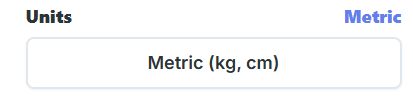
The first step is to set the calculator to the units you’re most comfortable with. Most tools offer a choice between Imperial (pounds, feet, inches) and Metric (kilograms, centimeters). This ensures the experience is customized to your preference from the very beginning. For this guide, we’ll assume a user in the United States using the Imperial system, but the principles are identical for the Metric system. Selecting your preferred units ensures all subsequent inputs and results are displayed in a format that makes sense to you, eliminating any need for manual conversions.
Step 2: Entering Your Age
Your age is more than just a number; it influences your body composition and metabolic rate. As we age, our body’s ability to conserve water can decrease, and our sense of thirst may become less acute. This makes it even more important for older adults to be proactive about their fluid intake. When you enter your age into the Water Intake Calculator for Daily Hydration Needs, the tool uses this data point to fine-tune its recommendation. Be honest with this input; it’s a key piece of the puzzle for determining your baseline fluid requirements.
Step 3: Entering Your Weight
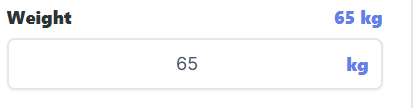
Your body weight is one of the most significant factors in determining your water needs. Larger bodies require more water to support their metabolic processes and maintain proper function. This is why a Daily water requirement calculator by weight is so effective—it directly ties your hydration target to your body mass.
When I work with clients on their overall wellness goals, weight is a common metric we track. Using a Water Intake Calculator for Daily Hydration Needs that incorporates weight ensures their hydration plan evolves with them. If you are on a weight loss or muscle-building journey, your hydration needs will change as your weight does. I recommend updating your information in the calculator every few weeks or whenever you notice a significant change in your weight to ensure your target remains accurate.
Step 4: Choosing Your Activity Level
This is where personalization truly shines. Your daily activity level dramatically impacts how much water you lose through sweat. A sedentary person has vastly different needs than a marathon runner. A quality Water Intake Calculator for Daily Hydration Needs will provide several options to best describe your typical week.
Let’s break down the common categories:
- Sedentary: This describes someone with a desk job who engages in very little or no formal exercise. Think of your day as mostly sitting, whether at work, at home, or in a car.
- Lightly Active: This might be a person with a sedentary job who walks for 30-60 minutes a few times a week or engages in light exercise 1-3 days per week.
- Moderately Active: This category fits someone who exercises with moderate intensity 3-5 days per week. This could include jogging, cycling, or going to the gym for a solid workout session.
- Very Active: This is for individuals who engage in vigorous exercise 6-7 days a week. This could be intense weightlifting, long-distance running, or high-intensity interval training (HIIT).
- Extremely Active: This option is for athletes, construction workers, or anyone with a physically demanding job who also trains intensely. Their daily water loss is substantial.
Being honest about your activity level is crucial. Using a Hydration calculator based on activity level allows the tool to accurately estimate the additional fluid you need to replace what’s lost during exercise. Underestimating your activity will lead to a low target, while overestimating it might give you a goal that feels overwhelming.
Step 5: Choosing Your Climate
Where you live and work plays a major role in your hydration needs. The environment directly affects how much you sweat, even when you’re not exercising. A good Water Intake Calculator for Daily Hydration Needs will ask you to specify your climate.
The typical options are:
- Temperate: This is a mild climate without extreme heat or cold.
- Hot: This applies to anyone living in a hot or tropical environment where sweating is a daily occurrence, even at rest.
- Cold: In cold climates, we often underestimate our water loss. The air is drier, and we lose more fluid through respiration (the visible “steam” when you breathe). We also tend to wear heavy layers, which can increase sweat.
A Water intake calculator for different climates is an essential feature because it adjusts your baseline needs to account for environmental fluid loss. I once coached a client who moved from a temperate city to a hot, humid one and couldn’t figure out why she felt so drained. After adjusting her climate setting in the Water Intake Calculator for Daily Hydration Needs, her new, higher target made all the difference. She simply hadn’t realized how much more water her body was losing just by existing in the new environment.
Understanding Your Results: From Numbers to Action
Once you’ve entered all your information, the Water Intake Calculator for Daily Hydration Needs will instantly display your personalized recommendation. The results are typically shown in a few different units to make it easy for you to track.
The Numbers Explained: mL, Liters, and Glasses
You’ll likely see your daily target presented in milliliters (mL), liters (L), and a more practical measure like “glasses” or fluid ounces (fl oz). For example, a result might look like this:
- 3,000 mL
- 3.0 L
- 12.7 glasses (assuming an 8 oz glass)
- 101.4 fl oz
Having these different units is incredibly helpful. You might use liters if you carry a large, marked water bottle, or you might prefer to think in terms of glasses if you’re drinking from standard cups at home or in the office. The key is to find the unit of measurement that you can most easily track throughout the day. Don’t get hung up on the exact decimal points; the goal is to have a clear, consistent target.
Interpreting the Hourly Hydration Schedule
One of the most powerful features of a comprehensive Water Intake Calculator for Daily Hydration Needs is the hourly hydration schedule. This breaks down your total daily goal into smaller, manageable targets throughout the day. Instead of facing a daunting goal of 3 liters, you might see a schedule that suggests drinking 250 mL every hour from 8 a.m. to 8 p.m.
This approach is based on a core principle of effective hydration: consistency is better than chugging. Drinking a large amount of water all at once can overwhelm your kidneys, and much of it will be flushed out before your body can absorb it properly. Sipping steadily throughout the day ensures your cells remain consistently hydrated, which is far more beneficial for your energy and focus.
When I first started paying close attention to my own hydration, the hourly schedule was a revelation. It turned an abstract goal into a simple, recurring task. I set a recurring timer on my watch, and every time it went off, I drank a glass of water. Within a week, it became an automatic habit.
Adjusting Your Intake for Real Life
Your hydration needs are not static. The number generated by the Water intake calculator for daily hydration needs is an excellent baseline, but life is dynamic. You need to learn how to adjust your intake based on day-to-day changes.
The Impact of Exercise
Your activity level input gives you a great starting point, but you should drink even more on days you have a particularly intense or long workout. A good rule of thumb is to drink an extra 12-16 ounces (about 350-475 mL) of water for every 20-30 minutes of strenuous exercise. If you’re exercising in the heat, you’ll need even more. Using a Hydration calculator based on activity level gives you the baseline, and you can add to it based on your specific workout for that day.
Listening to Your Body and Climate
Similarly, a Water intake calculator for different climates sets your foundation. However, a sudden heatwave in a temperate climate means you’ll need to increase your intake temporarily. Listen to your body. Thirst is an obvious sign, but other indicators of dehydration include a dry mouth, dark-colored urine, fatigue, and headaches. On exceptionally hot days or if you spend more time outdoors than usual, make a conscious effort to drink more than your calculated target. Think of the Water Intake Calculator for Daily Hydration Needs as your guide, not an inflexible rule.
Hydration and Your Overall Nutrition
Your hydration strategy is deeply connected to your overall nutrition plan. While water is paramount, some fluids and water-rich foods also contribute to your daily intake. Fruits like watermelon and strawberries, and vegetables like cucumber and celery, have high water content. However, beverages containing caffeine or alcohol can have a diuretic effect, meaning they cause you to lose more fluid.
For those focused on optimizing their body composition, understanding how hydration fits with other nutritional metrics is key. This is where related tools can provide a more holistic view. For example, after determining your hydration needs, you can explore a Macro Calculator to align your protein, carb, and fat intake with your goals. Similarly, understanding your total daily energy expenditure with a TDEE Calculator can help you create a comprehensive plan. And if weight management is your primary objective, using a Calorie Deficit Calculator can provide clarity on the energy balance required. A proper hydration plan supports all of these goals by ensuring your metabolism is functioning optimally.
Practical Tips for Meeting Your Daily Goal
Knowing your number is the first step. Consistently hitting it is the challenge. Here are some practical, experience-tested tips that I share with all my clients to help them build a lasting hydration habit.
- Get the Right Water Bottle: Invest in a reusable water bottle that you enjoy using. A large, 1-liter bottle with time markers can be a fantastic visual reminder. Seeing your progress throughout the day is incredibly motivating. My personal favorite is an insulated bottle that keeps my water cold for hours.
- Flavor Your Water Naturally: If you find plain water boring, add some natural flavor. Slices of lemon, lime, cucumber, or a few mint leaves can make your water more appealing without adding sugar or calories. Berries or a splash of unsweetened fruit juice also work well.
- The “One-for-One” Rule: For every beverage you drink that isn’t water (like coffee, tea, or soda), drink an equal amount of water to offset any potential diuretic effects and stay on track with your hydration.
- Link Hydration to Existing Habits: Create “water triggers” throughout your day. For example, drink a glass of water as soon as you wake up, before every meal, and when you get home from work. Linking the new habit of drinking water to an existing habit makes it much easier to remember.
- Use Technology to Your Advantage: As mentioned, setting a recurring alarm on your phone or smartwatch can be a simple but effective nudge. There are also numerous apps designed specifically to track your water intake and send you reminders. The hourly schedule from the Water Intake Calculator for Daily Hydration Needs can be programmed directly into these apps.
My Personal Journey with Personalized Hydration
As a wellness coach, I thought I had my hydration dialed in. I was active and drank water, but I never measured it precisely. When I first used a Water Intake Calculator for Daily Hydration Needs, I was surprised to find that my estimate was off—I was consistently under-hydrating by about a liter per day.
I committed to meeting the new target for two weeks. The difference was not subtle. My afternoon energy slumps disappeared. My focus during work and my performance in the gym improved noticeably. Even my skin looked clearer. It was a powerful lesson in the value of personalized data. That experience is why I so passionately advocate for using a Water Intake Calculator for Daily Hydration Needs.
It’s not about perfection; it’s about having an informed starting point and being mindful. This simple tool provides the foundation for profound changes in how you feel and function.
The power of a good Water Intake Calculator for Daily Hydration Needs lies in its ability to deliver personalized, actionable insights. By considering your unique weight, age, activity, and climate, it moves you beyond generic advice. The Daily water requirement calculator by weight feature ensures your target is scaled to your body, while the Hydration calculator based on activity level accounts for your energy expenditure.
Finally, the Water intake calculator for different climates adjusts for your environment, giving you a truly holistic recommendation.
Embracing a tool like the Water Intake Calculator for Daily Hydration Needs is a significant step toward optimizing your health. It’s an investment in your well-being that pays dividends in energy, clarity, and performance. Take the five minutes to input your details, understand your personalized target, and use the hourly schedule to build a consistent habit. You have the power to transform your health, one sip at a time, guided by the precision of a Water Intake Calculator for Daily Hydration Needs. This journey starts with knowing your number.
Use a Water Intake Calculator for Daily Hydration Needs today and unlock a new level of vitality. You owe it to yourself to experience the benefits of optimal hydration, and a Water Intake Calculator for Daily Hydration Needs is the best place to start. Take control of your health with this simple, effective tool and feel the difference it makes. The path to better hydration is clear, and the Water Intake Calculator for Daily Hydration Needs is your map.
FAQs
How accurate is the Water Intake Calculator compared to general advice?
This calculator is significantly more accurate than the standard “eight glasses a day” rule because it uses specific data points—your weight, age, activity level, and climate—to determine your unique baseline. While general advice provides a rough estimate, this tool tailors the results to your body’s actual metabolic demands. However, please note that these results are for healthy adults; if you have specific medical conditions or kidney concerns, you should always consult with a healthcare professional.
Do beverages like coffee, tea, or sparkling water count toward my daily goal?
Yes, they do contribute to your overall fluid intake, but plain water remains the gold standard for hydration. While sparkling water hydrates just as effectively as still water, caffeinated drinks like coffee and tea can have a mild diuretic effect (meaning they may cause you to lose fluid). A good practice is to prioritize plain water for the majority of your intake and treat other beverages as supplementary.
How often should I update my information in the calculator?
You should recalculate your needs whenever there is a significant change in your lifestyle or environment. We recommend revisiting the tool if you lose or gain weight (more than 5-10 pounds), if your daily activity level changes (e.g., you start a new workout program), or if the seasons change (moving from winter to a hot summer). Keeping your inputs current ensures your hydration target remains aligned with what your body needs right now.